- ProductsSearch and BrowseRecommendationsCustomer Engagement
Visual Search needs to go beyond the parent product


Key takeaways
- Shoppers often search for a specific color, finish, or style (e.g., a red jacket vs. a blue jacket) rather than just a broad product category
- Variant-level support reduces extra work for shoppers by serving the exact variant without forcing them to manually filter options.
- Effective implementation indexes visually distinct variants (like colors and finishes) while excluding size variations to prevent catalog duplication.
- Advanced visual search connects image inputs directly to variant-specific images, URLs, and merchandising rules without altering existing API endpoints.
Over the years, visual search has changed how shoppers discover products online. Instead of describing what they want with keywords, shoppers can upload an image and discover visually similar products.
But there is a problem that becomes increasingly important as ecommerce catalogs become more complex:
What happens when the shopper isn't looking for the parent product – they're looking for a specific variant?
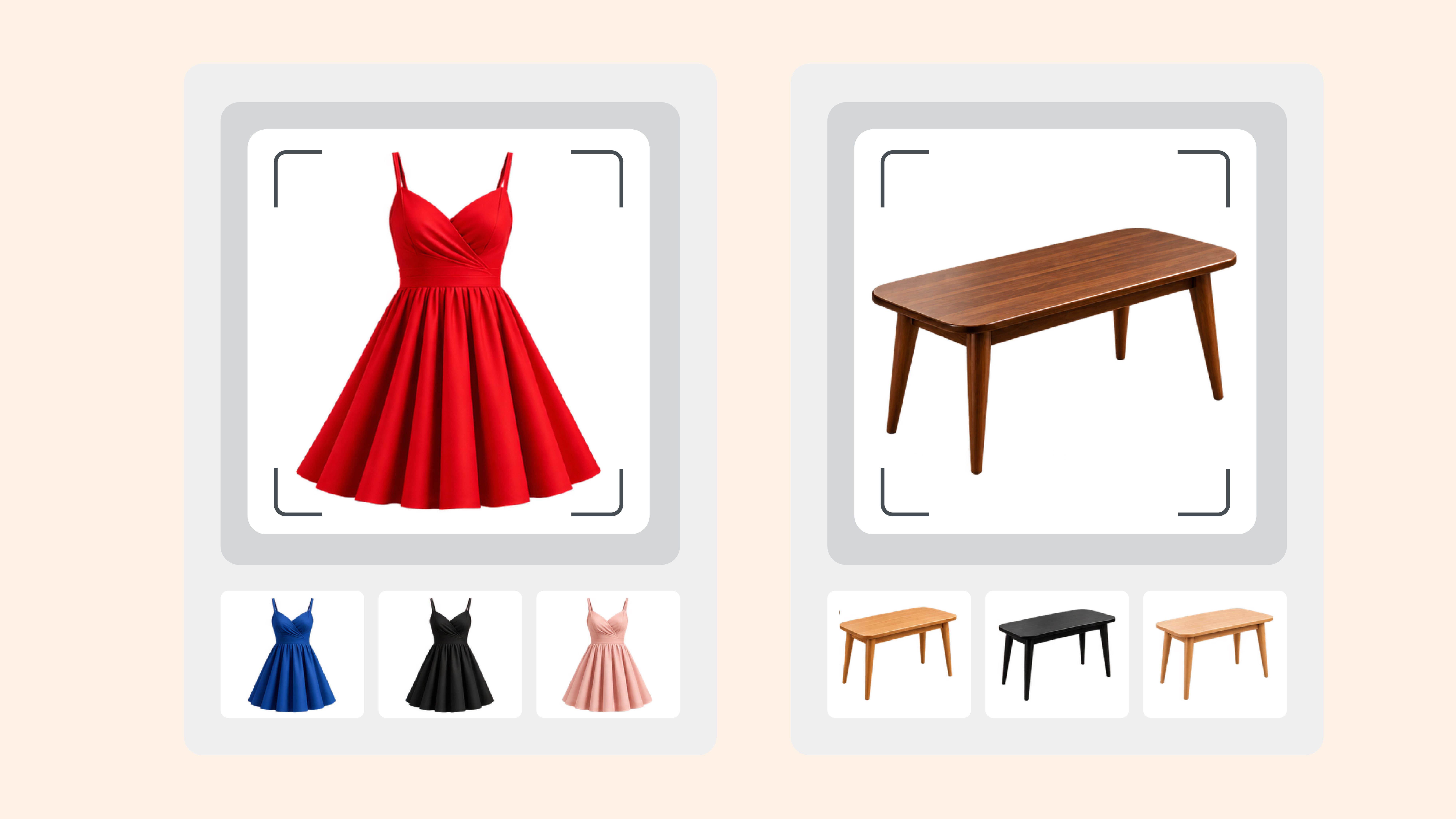 Fig. 1: Different industries have variants in their catalog.
That is why the next step for ecommerce Visual Search is finding the right product variant.
What is Visual Search?
Visual Search allows shoppers to use an image instead of a text query to discover products.
A shopper can upload a photograph, screenshot, social media image, or other visual reference, and the search engine identifies products based on their visual characteristics and resurfaces the matching product.
Visual Search typically works at the product level:
Image > Visual match > Parent product
This can significantly shorten the discovery journey, particularly when shoppers know what something looks like but don't know what to call it.
However, many ecommerce catalogs don't have just one version of a product. They have multiple colors, finishes, patterns, materials, or other variants. That creates a gap between product-level visual matching and what the shopper actually wants to buy.
Does Visual Search need variant-level matching?
Yes, because the variant can be part of the search intent. Consider a shopper who uploads a picture of a red jacket.
The catalog contains:
- Blue jacket — Parent Product A
- Black jacket — Variant B
- Red jacket — Variant C
- Green jacket — Variant D
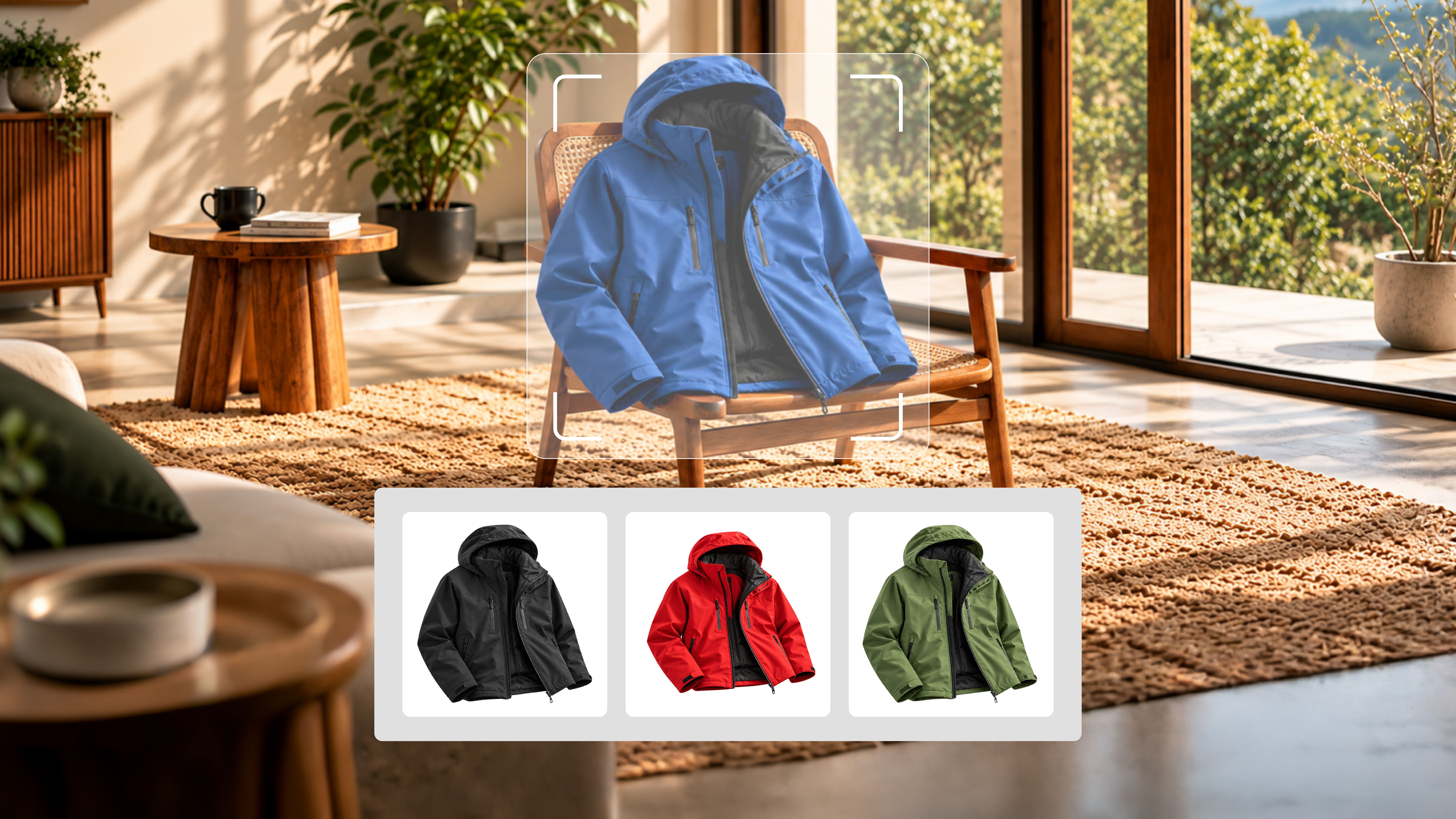 Fig. 2: A catalog can contain variants.
A product-level visual search system may correctly identify the jacket family but still surface the parent product or default image.
From a catalog perspective, the result is correct, but from a shopper's perspective, it may not be. The shopper didn't simply want a jacket; they wanted the jacket they saw.
Variant-level Visual Search closes that gap by allowing visual matching to extend beyond the parent product and identify a relevant variant.
What is the Visual Search variant support?
Visual Search variant support connects the visual characteristics of an uploaded image to the appropriate product variant rather than stopping at the parent product.
Depending on the catalog, variants can represent attributes such as:
- Color
- Pattern
- Material
- Finish
- Style
- Other visually distinguishable options
The result is a more precise discovery path:
Image > Visual understanding > Variant match > Product
The distinction matters because the variant can have its own image, identifier, URL, and merchandising rules.
What is the difference between product-level and variant-level visual search?
The simplest way to understand the difference is to look at what the search engine considers the final result.
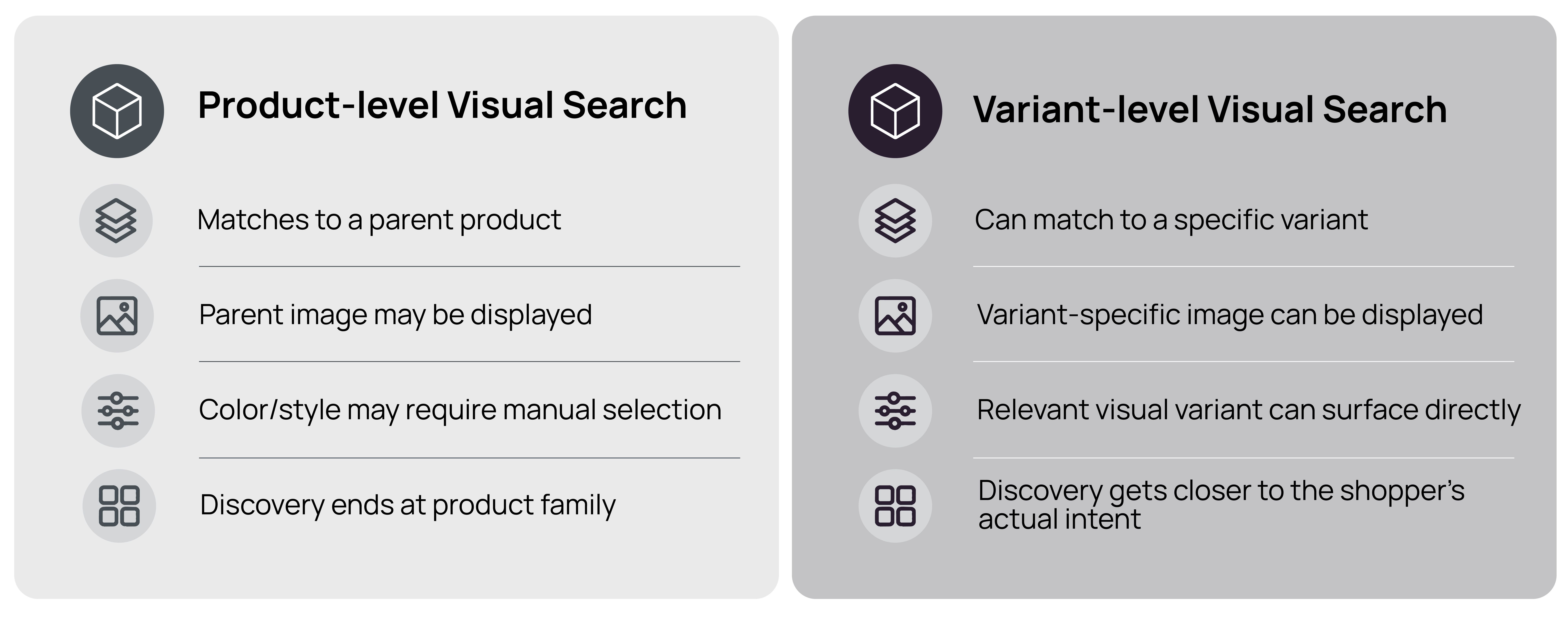 Fig. 3: Difference between product level and variant level visual search.
Neither approach eliminates the need for product pages, filters, or variant selection. The difference is how much work the shopper needs to do after Visual Search returns its results.
How does variant-level visual search work?
Variant-aware visual search requires more than simply adding additional images to a catalog.
Variant image indexing
Visually distinct variant images need to be available to the visual search system.
For example, if a product has red, blue, and green color variants, their visually distinct images can provide additional signals for matching.
This allows the system to distinguish between the parent product and visually meaningful variants.
Visual-to-variant mapping
The search system needs to connect visual similarity with the catalog's product and variant structure. The objective isn't simply to identify an image that looks similar. It is to understand:
Which catalog item, and which variant, best corresponds to the visual input?
Variant-aware result presentation
If the search engine identifies a specific variant, the experience should surface the relevant variant image and product information rather than immediately reverting to the generic parent representation. This is where the technical implementation becomes important.
For example, Netcore Unbxd's Visual Search enhancement can return a variant identifier when a variant image is the best visual match, while variant-specific imagery can be returned through the variant image field. The API endpoint itself remains unchanged.
Visual Search should get shoppers closer to the product they actually want
The value of visual search has always been about reducing the gap between what shoppers can see and what they can find. Variant-level matching takes that idea one step further. Instead of stopping at the parent product, Visual Search can help connect the shopper's visual intent to a more precise product variant.
Learn more on how visual search has impacted revenue for industry giants.
Frequently Asked Questions
Product-level visual search matches an uploaded image to a main parent product, often displaying a default image or requiring manual filtering for specific options. Variant-level visual search matches directly to specific variants—such as exact colors, patterns, or finishes—surfacing the exact item the shopper saw without requiring extra steps.
To avoid catalog clutter and duplication, variant-level visual search focuses on indexing visually distinct attributes (like color, material, or finish) while excluding non-visual variants like size or fit.
In visually driven categories, the specific finish, shade, or color defines the shopper's buying intent. Returning a parent product in the wrong shade or material introduces friction and leads to dropped conversions, whereas returning the exact visual match fulfills the user's explicit intent.
No. Advanced variant-level visual search works within existing catalog architectures by mapping image inputs to variant identifiers and retrieving variant-specific images using custom metadata fields without requiring modifications to standard API endpoints.


